
Introduction
Technical competence alone will no longer suffice in the fast-changing world of software development. The full-stack developer must straddle front-end and back-end technologies, deal with designers under pressure, work with clients, and integrate complex systems. Emotional intelligence (EI) is another all-important quality that determines the long-term success and inter-team cooperation, over and above coding expertise.
Emotional intelligence refers to one’s ability to productively manage, understand and express their own emotions while recognizing and being able to influence the feelings of others. Full-stack developers are, therefore, expected to control their emotional states, empathize with fellow workers, politely offer and receive criticism, and create an environment in which their collaboration thrives. With more remote teams and agile environments, developers with higher EI will be at the forefront of leadership, collaboration, and resilience through tensions. This article will elucidate how emotional intelligence influences different states and stages of full-stack development, its relevance in contemporary development culture, and how developers can consciously develop this skill set that will further enhance their career and project outcome.
Understanding Emotional Intelligence in the Developer Context
What Is Emotional Intelligence and Why It Matters in Tech
Emotional Intelligence or emotional quotient is popularly known as EI or EQ, with five main elements: self-awareness, self-management, motivation, empathy, and social skills. These traits help a person navigate inter-human relationships with warmth and insight. Emotional attributes can be enormously helpful in a collaborative environment typical of full-stack development, where collaboration, deadlines, and fast-changing technologies would differentiate a good from a great developer. Developers also find themselves caught between the contrasting interests of technical solutions versus the needs of the users while tolerating personality differences with teammates. Structurally, emotionally intelligent people will be composed, conversing constructively while nurturing trust with relevant stakeholders.
Why this matters-NEF? A developer who lacks the ability to take in constructive criticism may become defensive during a code review but will ultimately hurt team morale. A developer with high EI, however, will consider the same feedback as an opportunity to mature and enhance his craft. The ability to empathize with a frustrated client would allow a developer to customize solutions for user satisfaction. Emotional intelligence acts as an antidote to burnout as emotionally balanced individuals can manage stress better and have a good work-life balance. In essence, emotional intelligence is not only a soft skill; rather, it is a core competency that enhances productivity, teamwork, and problem-solving in tech settings.
Emotional Intelligence Versus Technical Skills: Finding the Balance
Many full-stack developers train for years to master languages such as JavaScript, Python, or frameworks like React and Node.js. But while technical knowledge is very important, the cultivation of emotional intelligence is what would bring the developer to eminent professional calibers. Consider a developer who is building a feature great in every way but has issues with communicating with the rest of the team—disasters such as misalignment, duplication of effort, or even missing deadlines can ensue as a result. In contrast, a developer with only a modicum of technical prowess who is skilled at communication and stress management while possessing a sense of the project dynamics is in a position to bring more consistent value on the way to a project’s success.
Having that ability to strike the perfect balance between emotional intelligence and intelligence quotient is truly something to ponder. Developers with high IQ levels may solve code problems in a jiffy; still, without strong emotional intelligence, they may risk alienating their colleagues or may not excel in customer-facing roles. In this day and age, agile environments thrive on daily standup meetings, sprint planning, and cross-functional collaboration. Strong people skills enable developers to be clear, empathetic, and diplomatic on issues that frequently go beyond coding. Companies are beginning to see this balance in their decisions for hiring, weighing coding tests against candidates’ abilities to collaborate on and handle feedback. Full-stack developers looking for leadership roles really need to focus more on developing their emotional intelligence besides sharpening their toolbox for coding.
Core EI Skills Every Full-Stack Developer Should Cultivate

Self-Awareness: Knowing Your Triggers and Strengths
The basis of emotional intelligence is self-awareness. For full-stack developers, this means understanding how one reacts under stressful situations, identifying one’s limits, and being honest about one’s strengths and weaknesses. For example, knowing that tight deadlines for debugging make one irritable allows self-awareness to help shape one’s response to ensure that one does not pose any real threat to the team dynamics. Self-awareness of one’s strengths also permits taking on roles toward effective contribution, while allowing for the delegation of work or sourcing assistance if and when necessary.
The more developer self-aware are, they end up being less reactive. Instead of resisting the impulse to say something brusque to a teammate during a difficult sprint, they pause, reflect on the situation, and respond calmly and much more purposefully. A self-aware developer becomes more receptive to all kinds of feedback since he or she does not perceive criticism as a threat to their identity but rather as a useful input for their improvement. With the passage of time, they grow increasingly amenable to change, an essential trait in an industry where tools, frameworks, and client expectations keep changing. While even such simple practices as journaling, mindfulness, and soliciting open and honest feedback from colleagues can work wonders for a developer’s self-awareness.
Self-Regulation: Managing Stress and Responding, Not Reacting
Software development is usually characterized by unresolved bugs, last-minute integration failures, and customers who alter specifications after several weeks of work. At such moments, self-regulation is what entitles one to remain a professional and productive person. Self-regulation refers to one’s ability to manage their emotional state so that it does not dictate what behavior he pursues. For example, a developer might consider taking a break when he is overwhelmed rather than pushing through code in a frenzy or frankly communicating a delay rather than disappearing from the project manager because of shame. Developers lacking in self-regulation are prone to victimizing themselves with tantrums, team isolation, and maybe even self-sabotaging disengagement through mistakes made in anger or frustration. Some developers, on the other hand, who have adequate self-regulation skills keep themselves calm and collected and gain some room for problem-solving and keeping trust worse situations. This, in turn, produces healthier work environments and relative predictability concerning project outcomes. Some methods to implement when emotional regulation is difficult include deep breathing, time-blocking, or even a quick walk down the hall; all can be radical beneficial. This becomes a skill over time, allowing developers to stay calm in challenging moments, thus aiding the technical performance and improving relationships within the team.
Applying Emotional Intelligence to Team Collaboration
Empathy: Understanding the Perspectives of Colleagues and Clients
Understanding and sharing the feelings of others are crucial skills that developers should possess especially because they work with cross-functional teams. When devs know the places from which their designers or clients come, those between them can now adjust all their intercommunications so that they are entirely brought closer together. All of these don’t mean that every person shares a common view, but they’re above willing to know where their counterparts come from.
Empathetic developers, then, often build strong teams from such simple things as when the very same person is first to be approached during team meetings or, say-in code review sessions would instead say: “This isn’t right” but instead would say, “I get what you’re aiming for- what would happen if we tried this instead?” thereby facilitating an environment where feedback becomes treasured rather than apprehended. They’ve also played a vital part in the user-centered development aspects of program construction. This would also be a full-stack developer who can step into the user shoes and imagine what would be intuitive and weigh her needs when accessibility issues arise. Empathy begins listening-seriously with no inward inclination though to interrupt or jump in to fix.
Communication Skills: Giving and Receiving Feedback Effectively
Great developers are not just great programmers-they’re the best communicators. Whether documentation, correspondence with clients, or reporting back to a scrum team, functioning communication defines every phase of development. Developers with a high emotional-tuning should be able to vary their messages according to the audiences serviced. They will speak simply about technical issues with lay clients; criticize their peers constructively; and are never afraid to ask questions when assistance is required.
Common errors in the communication process include harsh feedback that crosses the line or feedback that is received with a personal attack. Emotionally intelligent software engineers avoid these pitfalls by judging behavior and not judging personality. They might say, “I noticed the pull request had some merge conflicts-want to review the process together?” This language protects the dignity of the contributor and provides an opportunity for learning. They likewise accept feedback with wonder rather than defensiveness. These habits promote clarity in conversation, which reduces misunderstandings and builds trust among teammates through the years.
Building and Strengthening Emotional Intelligence Over Time
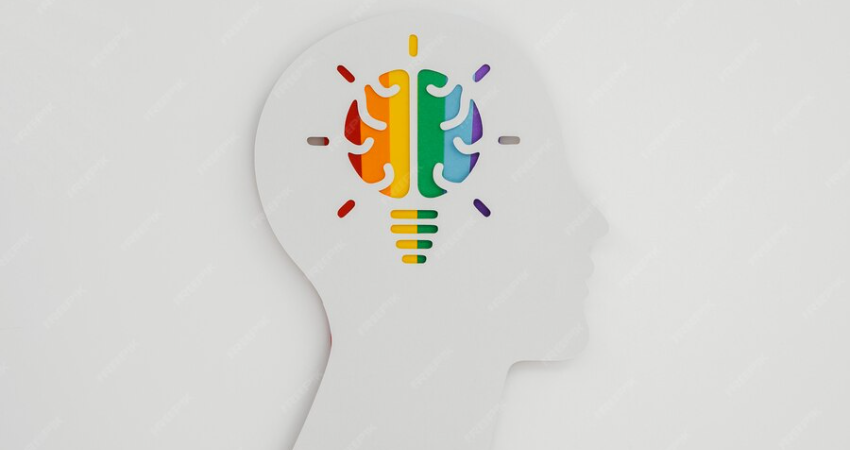
Practice Mindfulness and Reflection Daily
As practitioners of emotional intelligence, improvement is not a one-time decision but rather a continuous practice. One of the best tools available for this is mindfulness. Mindfulness is defined as paying attention in the present moment, non-judgmentally. By bringing five minutes of mindfulness into their workday, developers begin to see patterns in their thoughts, feelings, and actions. Over time, this really helps to build awareness, develop concentration, and reduce habitual reactions in challenging situations like unanticipated bugs or miscommunications.
Reflection is equally important. After a sprint or project, time must be set aside to think through what emotionally went well and what didn’t. Were there times when you bore through a tough conversation with grace? Times when you lost your cool? Looking at these situations could offer critical lessons and allow the adjustment of behaviors in future interactions. Such continuous self-reflection creates a gradual accumulation in the development of all the capabilities of emotional intelligence, producing developers who are increasingly confident and balanced.
Seek Feedback and Foster a Growth Mindset
Active feedback-seeking behavior can be another method to boost emotional intelligence. Good emotional intelligence would compel such feedback to include not just matters of code quality, but also general conduct with others. This requires some humility on your part, inviting coworkers to bring to light any blind spots that may inhibit group cooperation. You could consider asking your coworkers questions like “How could I better facilitate communication?” or “Do you feel that I supported you enough in our last project?” Treat the responses as learning opportunities for improvement rather than personal attacks.
A growth mindset—the conviction that abilities and personality traits can be developed through effort—applies squarely to emotional intelligence itself. Developers who think they can improve their emotional responses will be more likely to take steps to effect the changes. They see the shortfalls not as a measure of their worth or an aspect of their identity but rather as a learning opportunity. This mindset leads to experimentation, being open, and bouncing back—all traits which over time lead to having higher emotional intelligence. Alongside reflection, feedback loops can transform full-stack developers into better coders, better colleagues, and eventually, better leaders.
Conclusion
With changing times, full-stack developers will set themselves apart from their peers as persons possessing emotional intelligence superimposed on their technical brilliance. While everything else is crucial in writing clean code, learning new frameworks, or deploying scalable solutions, also important are empathy, communication, self-regulation, and resilience. Emotional intelligence enhances every aspect of development-from team collaboration to user-centered designs-and directly contributes towards job satisfaction and career growth.
As teams will increasingly be virtual, interdisciplinary, and agile, this creates a wider gap for emotionally intelligent developers. Introduce daily habits like mindfulness, feedback, and reflection in one’s life, and a developer can become emotionally strong to bring a significant change in his organization. Emotional intelligence can finally not be described as just being “nice”: it is knowing, flexible, and efficient for every context of personal interaction that surrounds the technology we’re building.